Why More Gardeners Are Growing Hopi Red Dye Amaranth
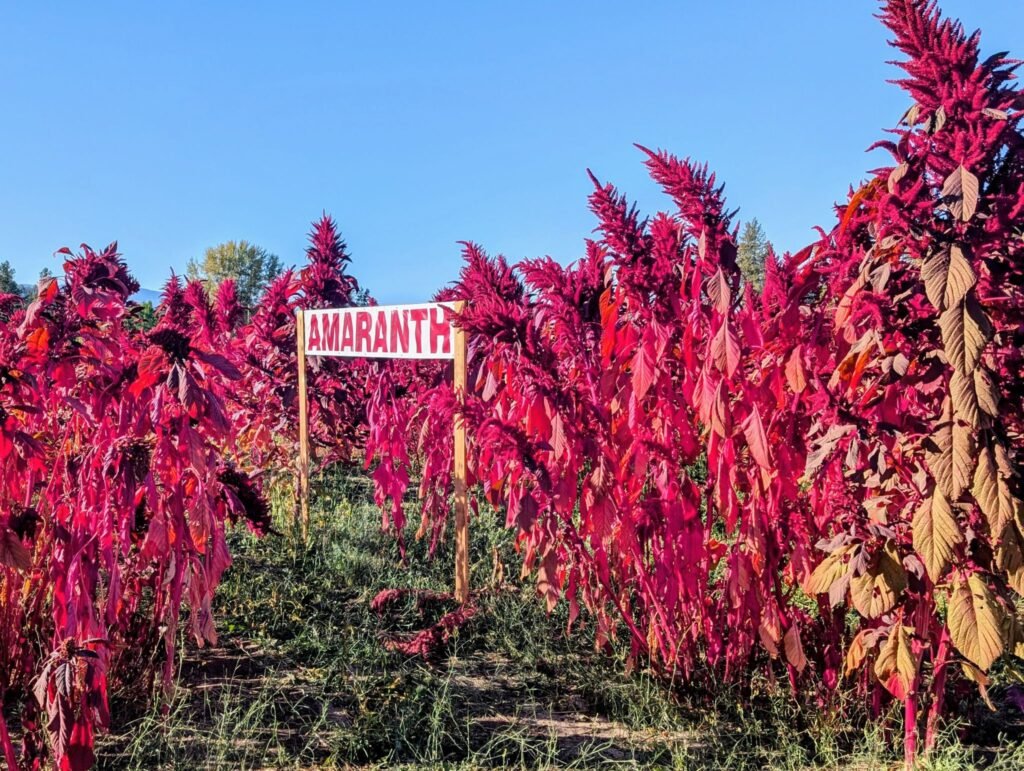
Hopi Red Dye Amaranth is one of the most striking plants that can be grown in a garden. With deep burgundy leaves, brilliant red flower plumes, and towering plants that can reach 4–6 feet tall, it brings colour, food, and history together in one crop.
This heirloom amaranth has traditionally been grown by the Hopi people, who used the vivid red flower bracts as a natural dye for foods such as piki bread. Today it is still loved for its rich colour, edible leaves, grain production, pollinator appeal, and ornamental beauty.
Amaranth thrives in hot summer weather and handles dry conditions surprisingly well once established. It is a strong choice for gardeners looking for heat-tolerant crops that can handle challenging conditions.
Starting seed is simple:
• Direct sow after frost danger has passed
• Plant shallowly, about 1/8 inch deep
• Grow in full sun
• Space plants to allow airflow and strong stalk development
Hopi Red Dye Amaranth grows quickly in warm soil and can become a dramatic focal point in the garden. The young leaves are edible and can be cooked like spinach, while the seed heads can be harvested later in the season as a nutritious grain.
This BC-grown strain has been stewarded and grown by Uncle Doug for nearly a decade, gradually adapting to Interior British Columbia growing conditions. The result is a hardy, beautiful strain selected under real Canadian garden conditions.
Whether grown for grain, greens, pollinators, natural dye, or pure beauty, Hopi Red Dye Amaranth earns its place in the garden.